How Do I Price My Mobile Home? A Complete Guide to Determining Market Value
Wondering how to price your mobile home? Learn what affects value, how condition and location matter, and how to set a realistic asking price.
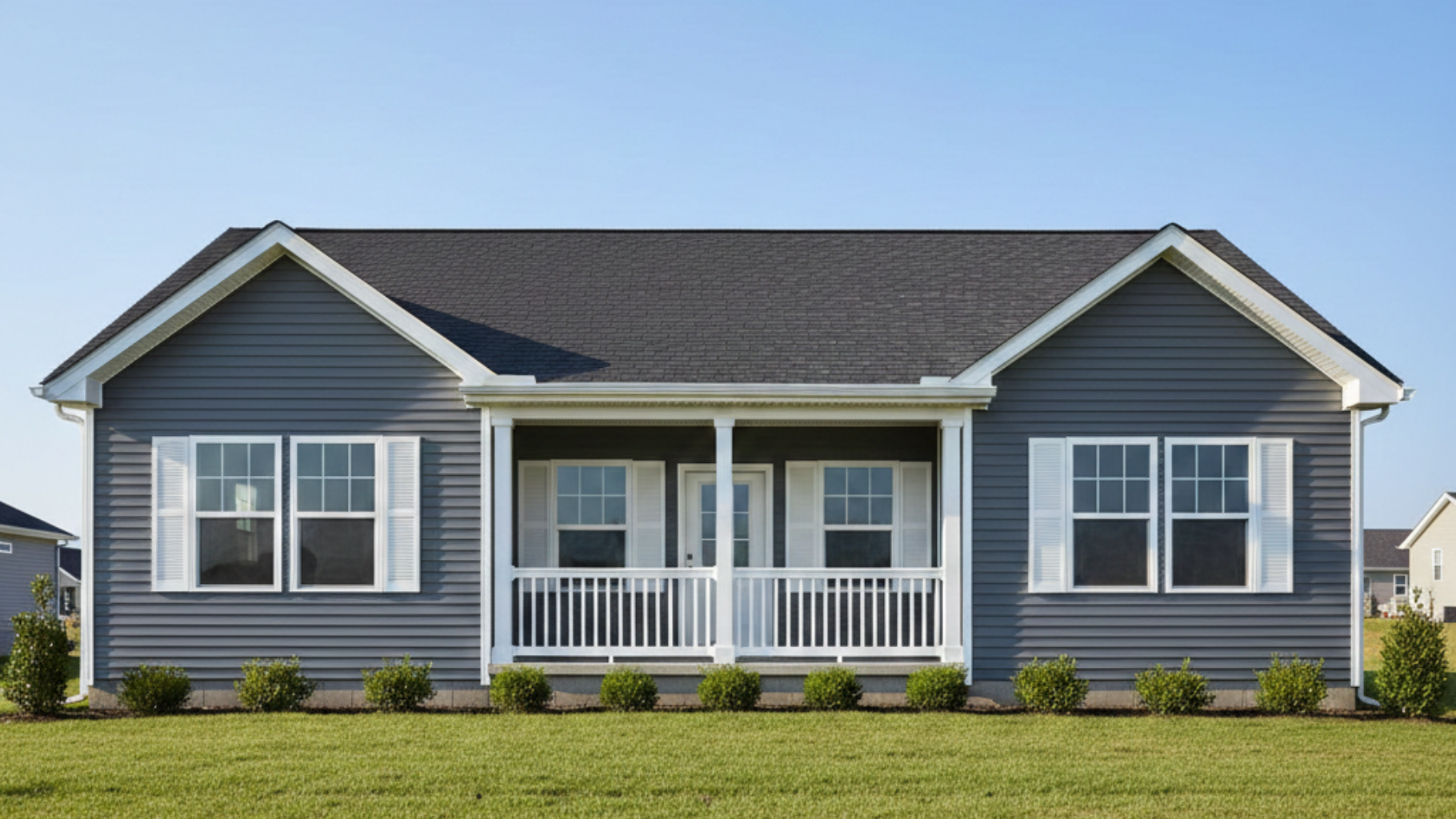
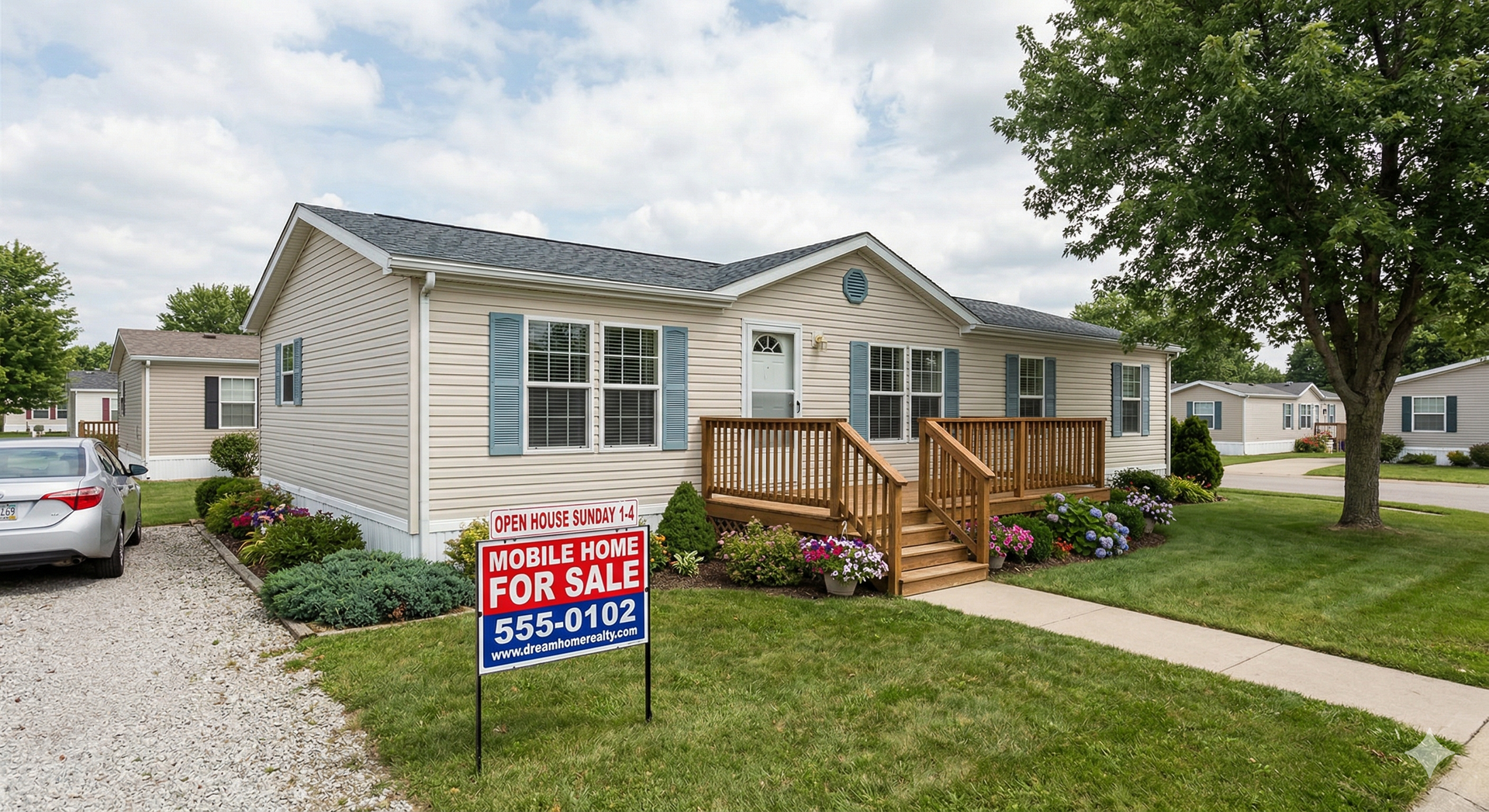
If you’re asking, “How do I price my mobile home?” you’re already making a smart move. Pricing correctly is one of the most important steps in selling quickly and avoiding months of frustration. Set the price too high and buyers won’t respond. Set it too low and you risk leaving money on the table.
Unlike traditional houses, mobile homes are valued differently. Age, condition, title status, location, and whether land is included all play a major role. Understanding these factors will help you determine a realistic and competitive price.
Start With the Age and Model of the Home
The age of your mobile home significantly impacts its value. Newer homes typically command higher prices, especially if they meet modern HUD standards. Older homes, particularly those built before updated regulations, may appeal to a smaller pool of buyers.
The size and type also matter. Single-wide homes usually sell for less than double-wide or triple-wide homes. The layout, square footage, and overall functionality influence buyer demand.
Buyers often compare similar models in similar age ranges, so knowing your home’s specifications helps you position it correctly in the market.
Condition Plays a Major Role
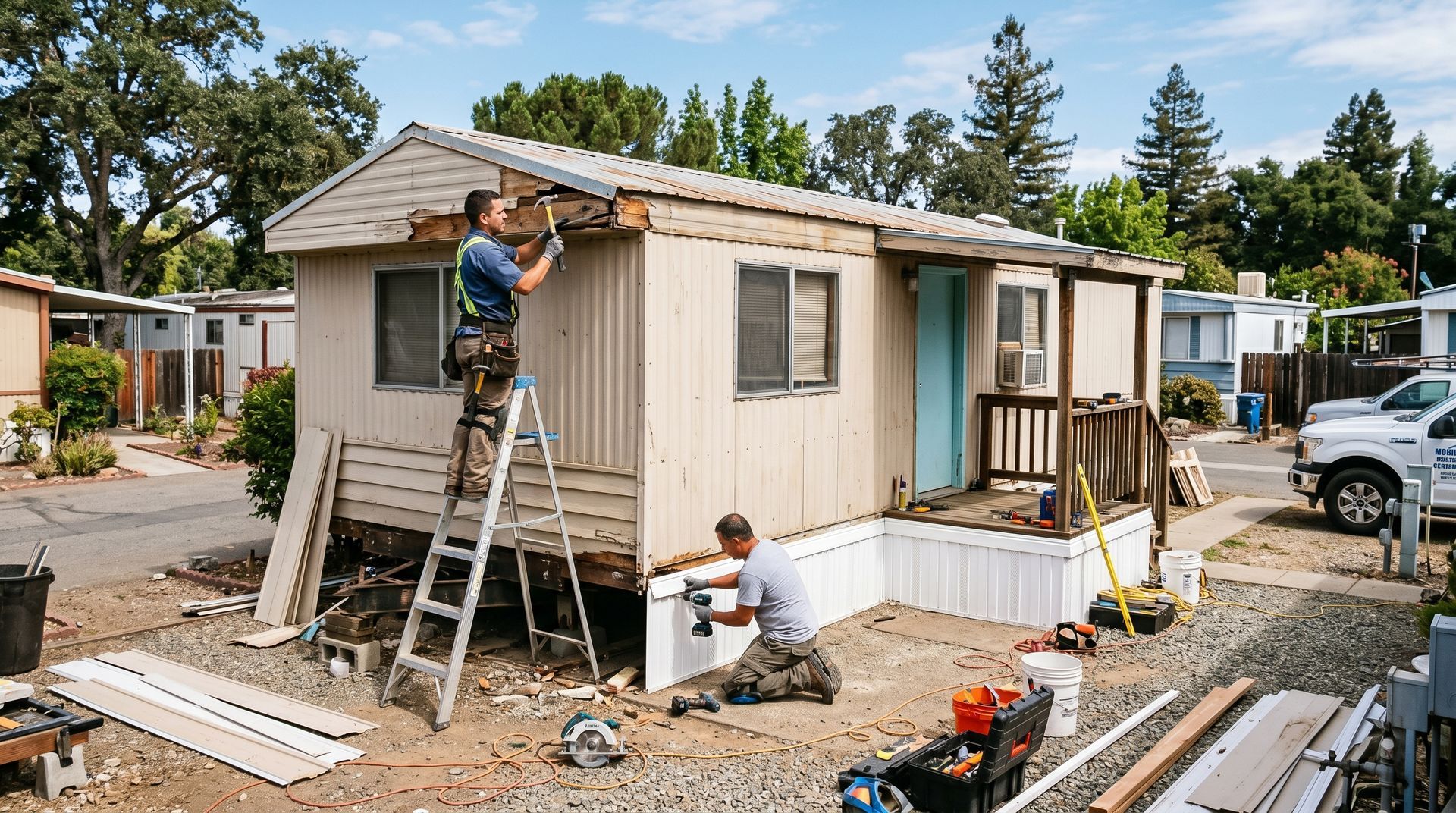
Condition is one of the biggest pricing factors. Buyers immediately evaluate the roof, flooring, plumbing, HVAC system, and overall structure. Even cosmetic elements such as paint, cabinets, and landscaping influence perception.
A well-maintained home can justify a stronger asking price. However, if your mobile home needs repairs, it’s important to adjust your expectations. Overpricing a home that requires work usually results in longer time on the market.
Some sellers choose to make minor improvements before listing. Others decide to sell as-is and price accordingly. The key is honesty about the condition and aligning the price with what buyers expect.
Location: Park vs. Land-Owned Property
Where your mobile home sits matters almost as much as the home itself.
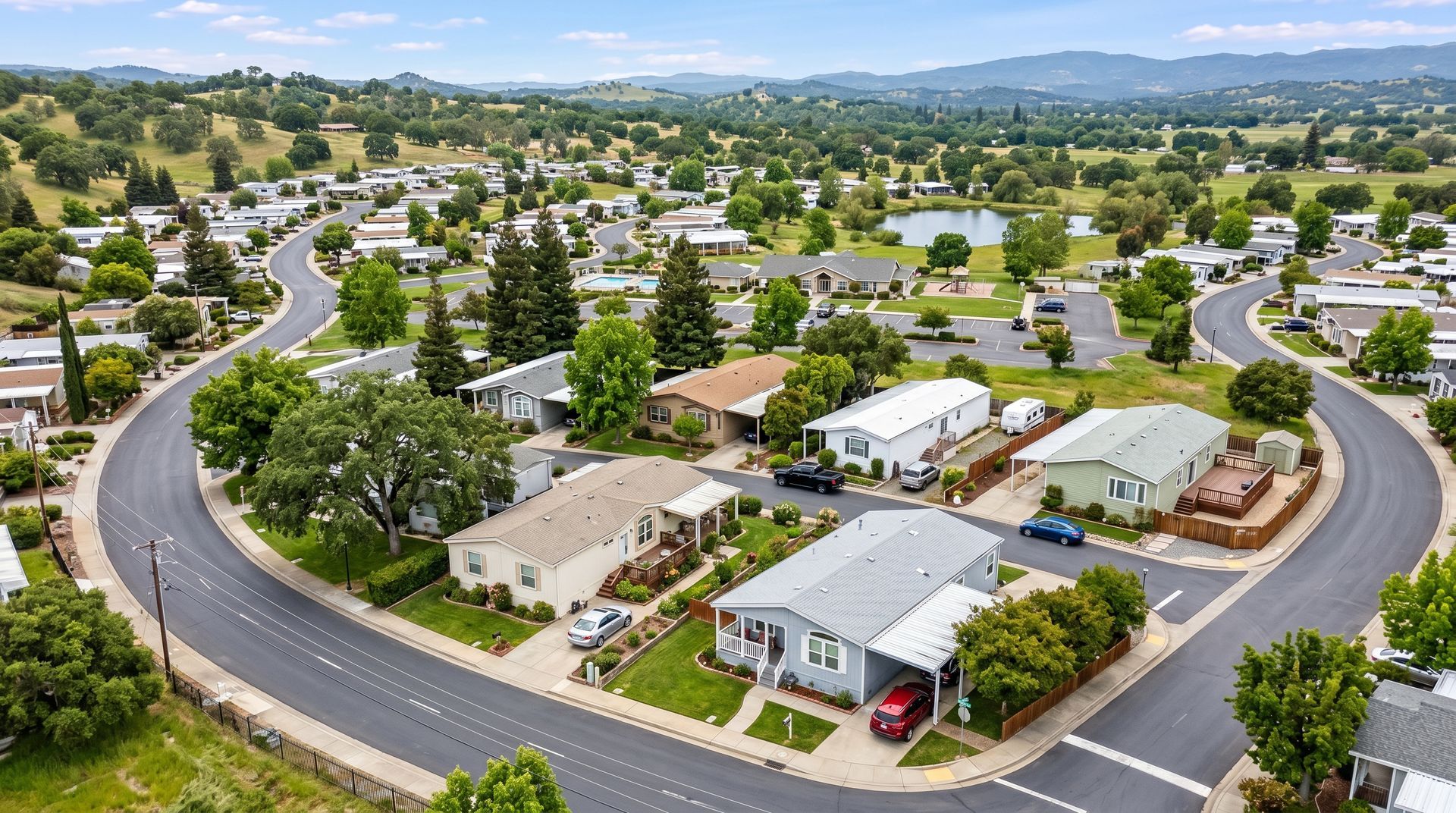
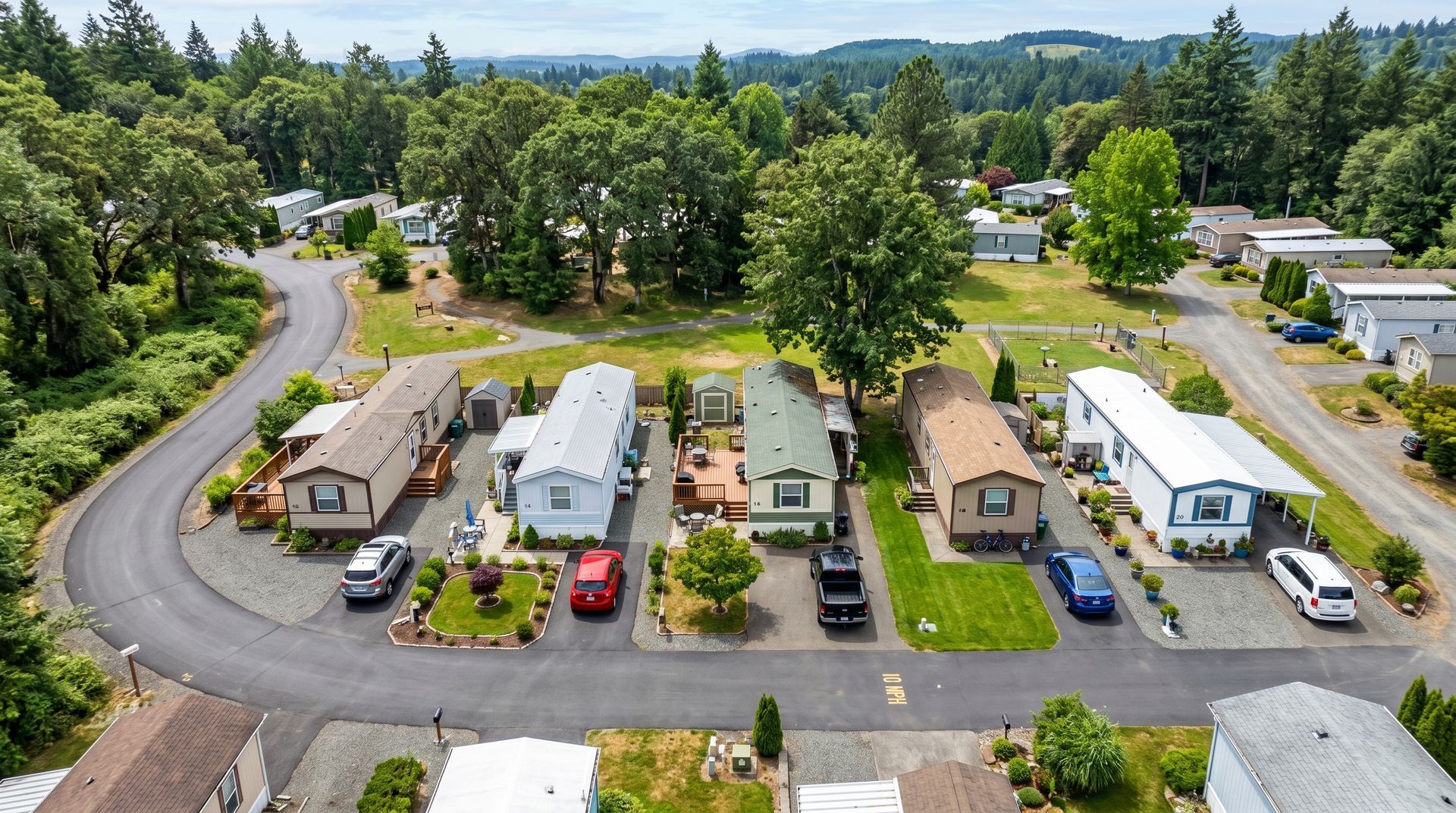
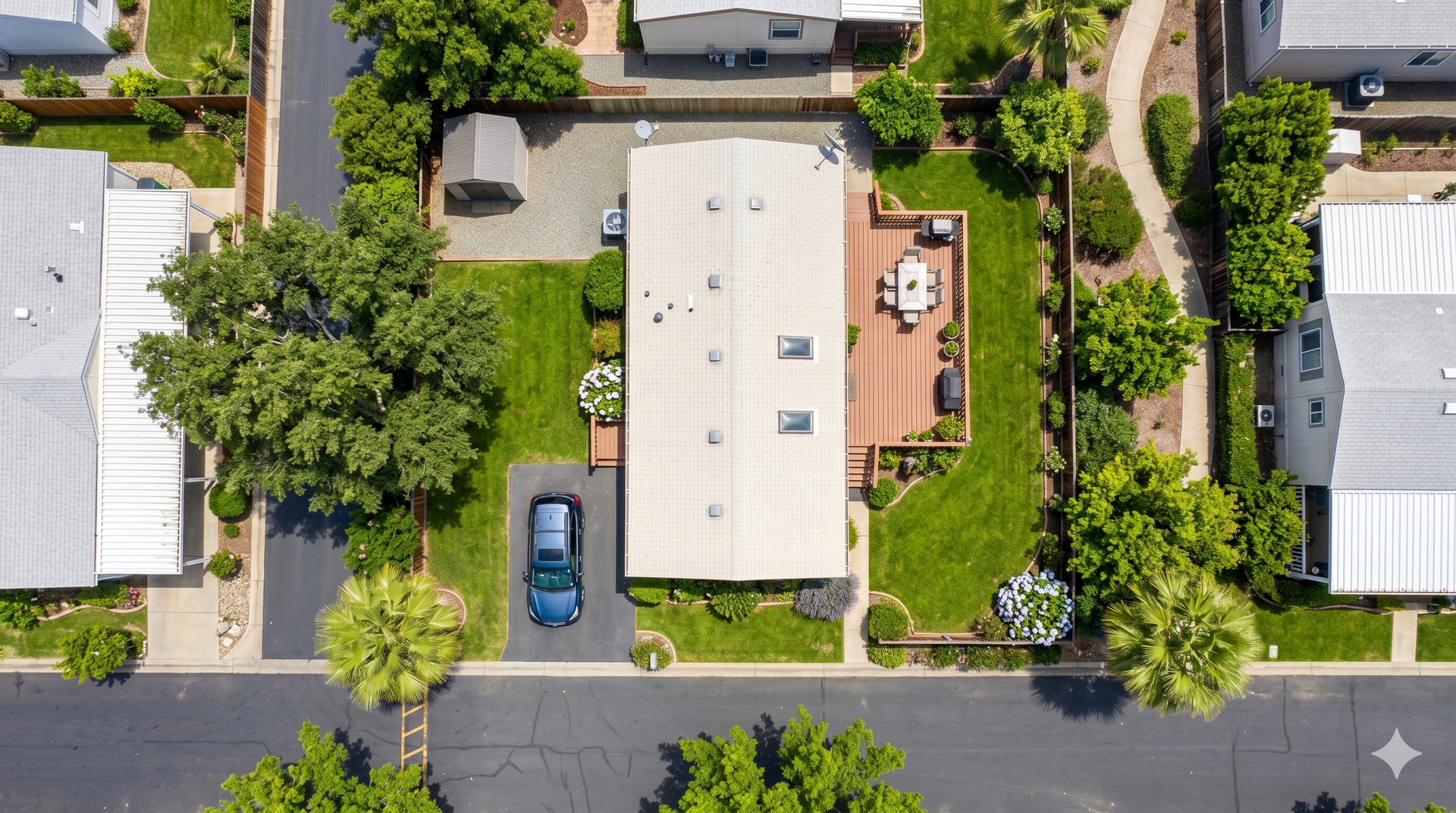
If you own the land, the value of the property increases significantly because real estate is included. Land ownership generally brings stronger buyer interest and financing options.
If the home is located in a mobile home park with lot rent, pricing is different. Buyers will consider:
- Monthly lot rent
- Park amenities
- Park approval requirements
- Lease terms
Higher lot rent can limit how much buyers are willing to pay upfront for the home.
Compare Similar Homes on the Market
One of the most effective ways to price your mobile home is by reviewing comparable listings. Look for homes that match yours in:
- Age
- Size
- Condition
- Location
- Land status
Pay attention to how long those homes have been listed. If they have been sitting for months, they may be overpriced. Homes that sell quickly often reflect realistic pricing.
Keep in mind that listing prices are not always the same as final sale prices. Negotiation is common, especially in the mobile home market.
Understand Buyer Financing Limitations
Financing can affect how you price your home. Many lenders have restrictions on older mobile homes or homes located in parks. If financing options are limited, your buyer pool may shrink.
When buyers must pay cash, they often expect a slightly lower price in exchange for a faster and smoother closing. Pricing too aggressively in a cash-driven market can reduce interest.
Understanding how buyers will pay helps you price competitively.
Consider Title Status and Liens
A clear title makes pricing simpler. If there are outstanding liens or an unpaid loan, these must be resolved before or during the sale.
Buyers often feel more comfortable when ownership paperwork is clean and ready for transfer. Complications with the title can delay closing and sometimes affect negotiations.
Making sure documentation is prepared ahead of time helps maintain buyer confidence.
Avoid the Most Common Pricing Mistakes
One of the biggest mistakes sellers make is pricing based on emotional attachment rather than market data. Memories and personal upgrades do not always translate to market value.
Another mistake is copying the highest listing price in the area. The highest price does not guarantee a sale. Strategic pricing slightly below competing listings often generates more interest and faster offers.
Waiting too long to adjust the price can also hurt momentum. If your home receives little interest in the first few weeks, it may signal that the price needs refinement.
Should You Get a Professional Opinion?
If you are unsure about pricing, seeking a professional opinion can provide clarity. Real estate professionals or experienced mobile home buyers understand local demand, condition adjustments, and market timing.
An expert review can help you avoid underpricing or overpricing and give you a realistic picture of what buyers are willing to pay.
Final Thoughts: Price for the Market, Not the Memory
Pricing your mobile home correctly requires a balance between confidence and realism. By evaluating age, condition, location, comparable sales, financing limitations, and title status, you can determine a price that attracts buyers while protecting your equity.
If your goal is a fast sale, competitive pricing is essential. If your goal is maximizing return, strategic positioning and patience may play a role. Either way, understanding how buyers evaluate mobile homes gives you the advantage.
When you ask, “How do I price my mobile home?” the real answer is simple: price it according to market reality, not assumption. That approach leads to stronger interest, smoother negotiations, and a successful sale.
📩 Contact Cash4MobileHomes now
📞 334-324-1139
🌐 Cash4MobileHomesAL.com
📧 info@cash4mobilehomesal.com