The "Holding Cost" Trap: Why Waiting to Sell Your Mobile Home Might Be Costing You Thousands (And How to Exit Gracefully)
The "Holding Cost" Trap: What It Really Means
If you own a mobile home and are thinking about selling, you might believe that waiting will help you get a better price. It sounds logical—hold on a little longer, find the right buyer, and maximize profit.
But here’s the reality: waiting often costs you more than you gain.
This is what’s known as the holding cost trap—the hidden financial drain that eats into your potential profit the longer you keep your mobile home on the market.
Holding costs include everything you continue paying while the home sits unsold:
- Lot rent
- Utilities
- Insurance
- Property taxes
- Maintenance and repairs
Even if these costs seem small individually, they quickly add up to thousands over time.
Why Waiting to Sell Can Backfire
Many sellers assume time is on their side. Unfortunately, with mobile homes, the opposite is often true.
Unlike traditional real estate, mobile homes typically depreciate over time. That means every month you wait, your asset may actually be losing value.
At the same time, your ongoing expenses continue piling up.
Let’s break it down:
- $600/month lot rent
- $150 utilities
- $100 insurance
- $100 maintenance buffer
That’s $950 per month.
Wait 6 months? That’s $5,700 gone.
Wait a year? You’re looking at over $11,000 in holding costs.
And that doesn’t even include unexpected repairs.
The Hidden Costs Most Sellers Ignore
Lot Rent That Never Stops
Even if no one is living in your mobile home, lot rent continues. This is often the biggest ongoing expense.
Maintenance and Deterioration
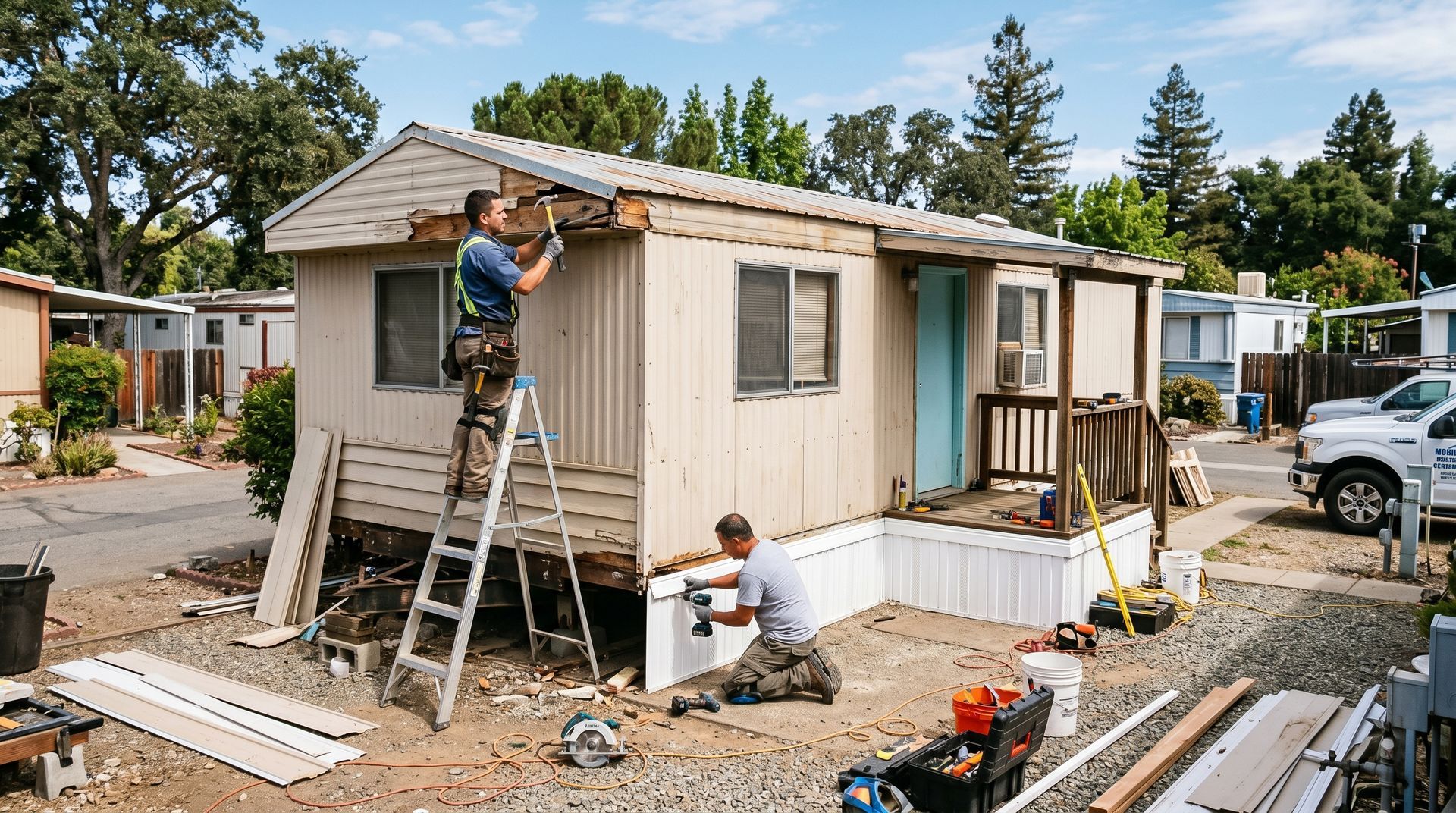
Vacant homes degrade faster. Small issues—like leaks or mold—can turn into expensive repairs.
Market Depreciation
Mobile homes rarely appreciate. Waiting can mean selling for less later.
Buyer Perception
The longer your home sits unsold, the more buyers start wondering: "What’s wrong with it?"
This can lead to lower offers.
Emotional Costs: The Stress Factor
Financial strain is only part of the problem.
Holding onto a property you don’t need can create stress:
- Managing bills every month
- Dealing with park rules
- Coordinating showings
- Handling repairs
Many sellers underestimate how draining this becomes over time.
The "Perfect Buyer" Myth
A common mistake is waiting for the "perfect buyer" willing to pay top dollar.
In reality, this often leads to:
- Long delays
- Price reductions
- Increased holding costs
By the time that buyer shows up (if they ever do), you may have already lost more money than you would have by selling earlier.
When Holding Actually Makes Sense (Rare Cases)
There are situations where waiting might work:
- You’ve already paid off the home completely
- Lot rent is extremely low
- The market is rapidly improving
However, these cases are rare. For most sellers, holding is a losing strategy.
The Smart Exit Strategy: Sell Fast and Move On
The best way to avoid the holding cost trap is simple:
Sell quickly and efficiently.
This doesn’t mean accepting a bad deal—it means choosing a strategy that minimizes time, stress, and ongoing expenses.
Why Cash Buyers Are Often the Best Option
Cash buyers specialize in purchasing mobile homes quickly, often in as-is condition.
Benefits include:
- No repairs needed
- No waiting for financing approvals
- Faster closing timelines
- Reduced holding costs
Instead of spending months (or years) trying to sell, you can close in days or weeks.
Real Example: Waiting vs Selling Now
Let’s compare two scenarios:
Scenario A: Wait 6 Months
- Holding costs: $5,700
- Price drop: $3,000
- Total loss: $8,700
Scenario B: Sell Fast for Slightly Less
- Discounted sale: -$4,000
- Holding costs avoided: $5,700
Net gain: +$1,700 compared to waiting
This is why speed often beats price in mobile home sales.
How to Exit Gracefully Without Losing Money
Price Realistically
Overpricing leads to longer market time and higher costs.
Be Open to Cash Offers
They may seem lower upfront but save money overall.
Sell As-Is
Avoid costly repairs that don’t significantly increase value.
Act Quickly
Every month you wait reduces your net profit.
Signs You Should Sell Immediately
- You’re no longer using the home
- Monthly costs feel like a burden
- The home needs repairs
- You’re relocating or downsizing
- You’ve had little buyer interest
If any of these apply, holding is likely costing you money.
Common Mistakes to Avoid
- Waiting for market timing
- Overestimating your home’s value
- Ignoring monthly expenses
- Delaying repairs
- Rejecting reasonable offers
Each of these increases your holding costs.
Final Thoughts: Time Is Money
When it comes to mobile homes, time isn’t your friend—it’s your biggest expense.
The longer you hold, the more you lose.
Selling sooner—even at a slightly lower price—can often leave you with more money in your pocket.
Georgia/Alabama:
Don’t let these mistakes cost you time or money.
👉 Get a free, no-obligation cash offer today
📩 Contact Cash4MobileHomes now
📞 770-744-3075
🌐 Cash4MobileHomesGA.com
📧
info@cash4mobilehomesga.com
📞 334-324-1139
🌐 Cash4MobileHomesAL.com
📧
info@cash4mobilehomesal.com