How to Avoid Lowball Offers When Selling Your Mobile Home
Proven Strategies to Protect Your Value and Secure a Fair Cash Deal
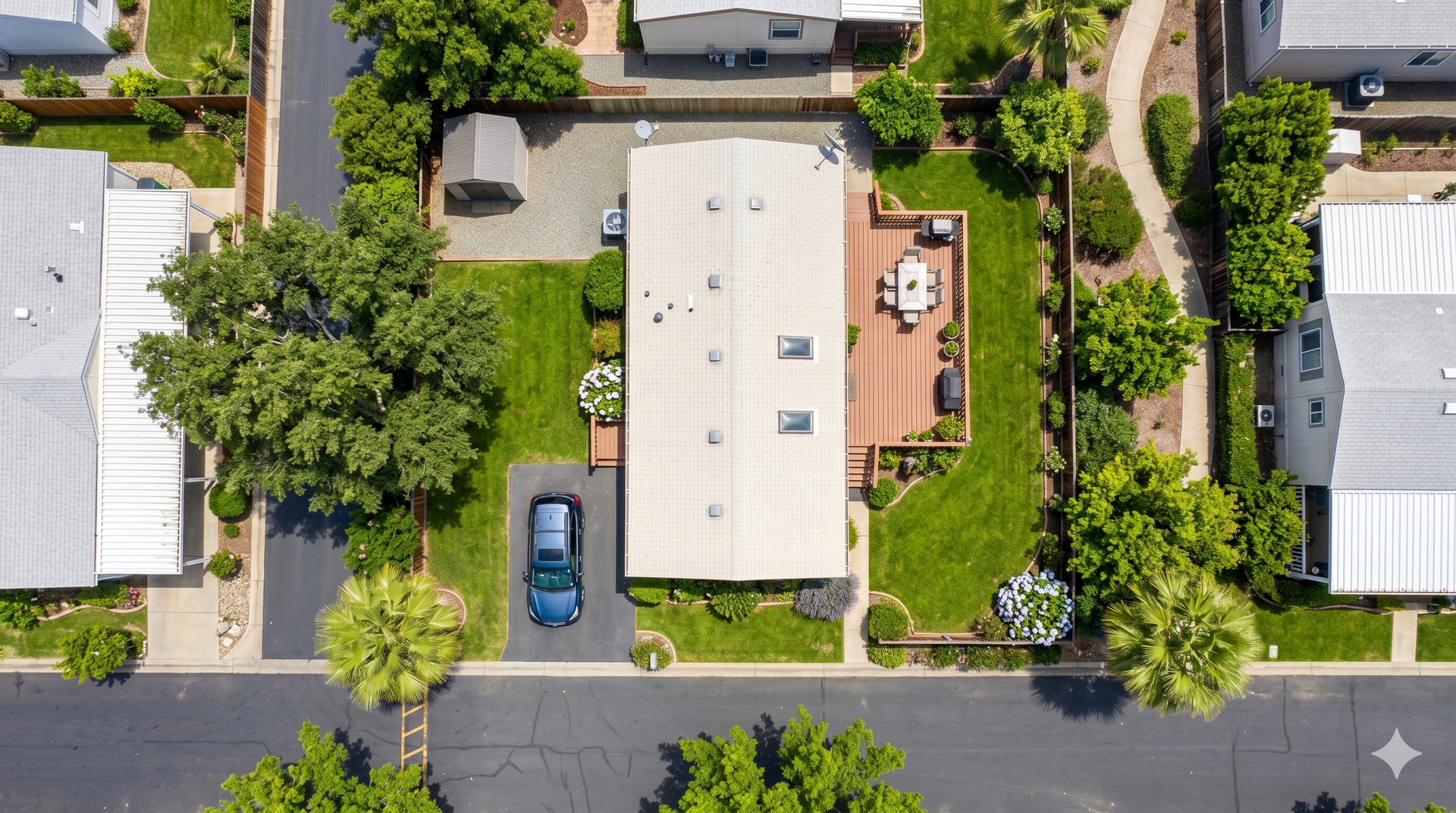
Selling your mobile home should feel like a step forward—not a situation where you’re pressured into accepting less than what your property is worth. Yet, many sellers face one common challenge: lowball offers.
These offers can be frustrating, especially when you’re already dealing with time constraints, financial pressure, or the desire to move on quickly. The reality is, lowball offers are common in the mobile home market—but they’re not unavoidable.
With the right approach, preparation, and understanding of how buyers think, you can protect your property’s value and confidently secure a fair deal.
This guide will show you exactly how to avoid lowball offers and position yourself for the best possible outcome.
Why Lowball Offers Happen
Lowball offers don’t appear out of nowhere—they are often the result of how buyers perceive risk and opportunity.
Many buyers, especially investors, aim to purchase at the lowest possible price to maximize profit. They may assume that sellers are desperate or uninformed, and they test this assumption with a low initial offer.
In other cases, low offers are influenced by uncertainty. If a buyer is unsure about the condition, title, or location value of your mobile home, they may reduce their offer to protect themselves.
Understanding this mindset is key. Once you know why lowball offers happen, you can take steps to prevent them.
The True Cost of Accepting a Lowball Offer
It can be tempting to accept a low offer, especially if you’re in a hurry. But doing so often comes with hidden costs.
First, you lose equity—money that rightfully belongs to you. Even a small difference in price can significantly impact your financial outcome.
Second, accepting a low offer sets a precedent. If multiple buyers sense urgency, they may continue to submit lower offers.
Finally, you may regret the decision later, especially if you realize your property was worth more than you received.
Avoiding lowball offers isn’t just about money—it’s about making a confident, informed decision.
Know the Real Value of Your Mobile Home
One of the most powerful ways to avoid lowball offers is to understand what your mobile home is actually worth.
This includes considering factors such as:
- Age and condition
- Location and demand
- Size and layout
- Market trends
When you know your property’s value, you’re less likely to accept an unfair offer—and more confident when negotiating.
Even if you choose a cash buyer, having a general understanding of value puts you in control of the conversation.
Presentation Still Matters
Even if you plan to sell your mobile home as-is, how it looks can influence the offers you receive.
A clean, well-presented home signals that the property has been cared for. This reduces perceived risk for buyers and can lead to better offers.
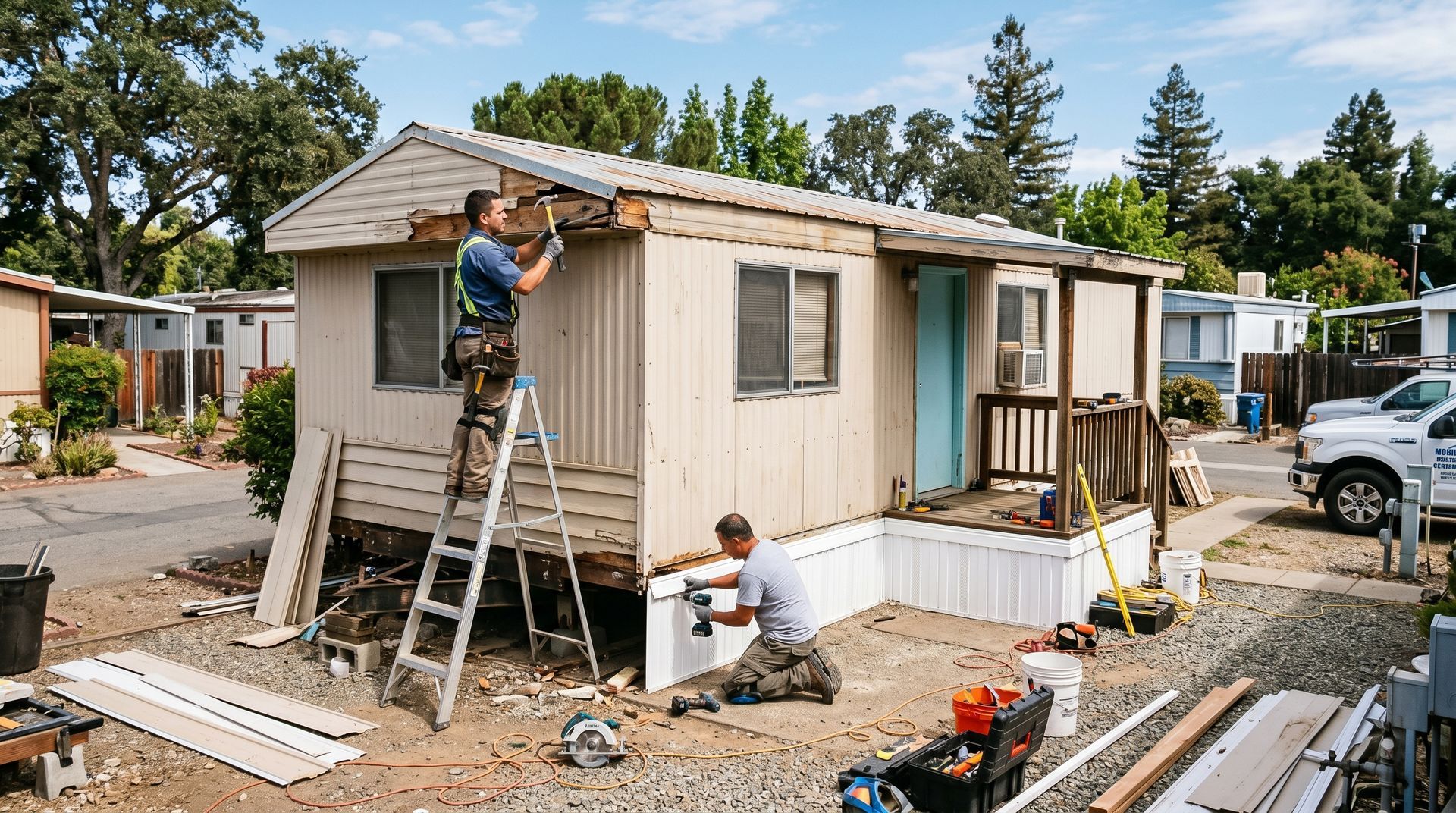
Simple actions like cleaning, removing clutter, and fixing minor issues can make a noticeable difference.
Remember, buyers often make decisions quickly. First impressions matter more than you think.
Avoid Signaling Desperation
Buyers are highly sensitive to signals. If they sense urgency or desperation, they may lower their offers accordingly.
Phrases like “must sell immediately” or “urgent sale” can sometimes work against you, attracting bargain hunters rather than serious buyers.
Instead, position your sale as an opportunity—not a necessity. Confidence in your listing often leads to stronger offers.
Work with Serious Buyers Only
Not all buyers are equal. Some are experienced, transparent, and ready to make fair offers—while others are simply looking for the cheapest deal possible.
Focus on working with buyers who:
- Communicate clearly
- Provide reasonable explanations for their offers
- Have a track record of closing deals
Serious buyers value efficiency and fairness, which reduces the chances of receiving lowball offers.
Set Clear Expectations from the Start
When you communicate your expectations early, you filter out unqualified or opportunistic buyers.
Be clear about your timeline, your willingness to negotiate, and your understanding of your home’s value.
This creates a professional tone and signals that you are informed and prepared.
Buyers are less likely to submit low offers when they know you are confident and knowledgeable.
Consider the Advantages of Cash Buyers
While some sellers worry about receiving low offers from cash buyers, the reality is that reputable cash buyers often provide fair, transparent pricing.
They base their offers on market conditions, property details, and the cost of repairs—without the uncertainty of financing delays.
The key is choosing the right buyer. A trustworthy cash buyer will explain their offer and ensure the process is smooth and straightforward.
Don’t Be Afraid to Negotiate
Negotiation is a normal part of selling—and it works both ways.
If you receive an offer that’s lower than expected, don’t reject it immediately. Instead, use it as a starting point for discussion.
Counter with a reasonable price and explain your reasoning. This shows professionalism and often leads to a middle ground that works for both parties.
Timing Can Influence Offers
The timing of your sale can also impact the offers you receive.
Selling during periods of high demand can lead to stronger offers, while slower markets may result in lower initial bids.
Understanding market conditions allows you to set realistic expectations and adjust your strategy accordingly.
Documentation Builds Trust
Having the right documents ready can significantly improve buyer confidence.
This includes:
- Title or ownership documents
- Maintenance records
- Any relevant permits or paperwork
When buyers feel confident about the legitimacy and condition of your property, they are more likely to make fair offers.
Final Thoughts
Avoiding lowball offers isn’t about luck—it’s about preparation, confidence, and strategy.
By understanding your property’s value, presenting it well, and working with the right buyers, you can protect your investment and achieve a fair outcome.
Selling your mobile home should be a positive experience, not one filled with uncertainty or regret. With the right approach, you can take control of the process and move forward with confidence.
📞 Ready to Sell Your Mobile Home?
Don’t let these mistakes cost you time or money.
👉 Get a free, no-obligation cash offer today
📩 Contact Cash4MobileHomes now
📍 Georgia Location
📞 770-744-3075
🌐 Cash4MobileHomesGA.com
📧
info@cash4mobilehomesga.com
📍 Alabama Location
📞 334-324-1139
🌐 Cash4MobileHomesAL.com
📧
info@cash4mobilehomesal.com