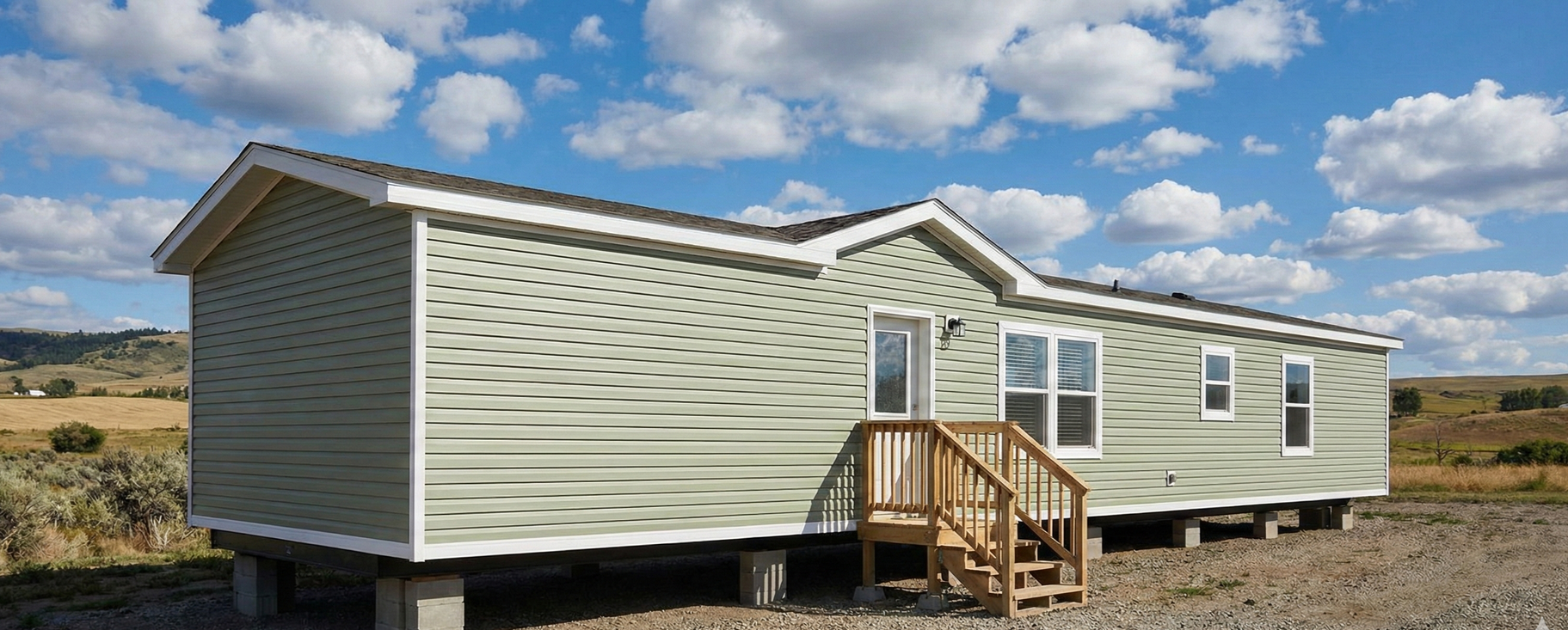
Selling an Inherited Mobile Home: What You Need to Know
How to Handle Paperwork, Costs, Family Decisions, and a Stress-Free Sale

Inheriting a mobile home can bring a mix of emotions. For some families, it represents memories and sentimental value. For others, it quickly becomes an unexpected responsibility filled with questions, paperwork, and ongoing costs.
What happens now?
Do you legally own the mobile home yet? What paperwork do you need? What if the property needs repairs? What if multiple family members inherited it together?
These are common concerns—and if you’re feeling overwhelmed, you’re not alone.
Selling an inherited mobile home can feel more complicated than selling a property you personally purchased. Ownership rules may be unclear, family decisions can be emotional, and the financial pressure of ongoing expenses can build quickly.
The good news is that inherited mobile homes can absolutely be sold—and understanding the process helps you make smarter, less stressful decisions.
This guide will walk you through what you need to know before selling an inherited mobile home, including paperwork, common challenges, practical options, and how to simplify the process.
What Happens When You Inherit a Mobile Home?
The first thing to understand is that inheriting a mobile home does not always mean immediate ownership in the practical sense.
Ownership depends on several factors:
- Whether there is a valid will
- How the mobile home is titled
- State-specific probate rules
- Whether the home was jointly owned
- Whether the property sits on owned land or in a park
Some mobile homes are treated similarly to personal property, while others may be classified differently depending on location and legal structure.
Because of this, inheritance situations can vary significantly.
Before making selling decisions, it’s important to confirm your legal authority to do so.
Do You Legally Own the Mobile Home Yet?
This is one of the most common sources of confusion.
Even if you were named as an heir, you may still need legal steps completed before selling.
Possible scenarios include:
If there’s a will:
Ownership may transfer according to the deceased owner’s instructions, but probate may still be required.
If there’s no will:
State inheritance laws usually determine who inherits the property.
If there were joint owners:
Ownership may transfer automatically depending on the title structure.
If probate is required:
The court may need to approve the transfer before a sale can happen.
Attempting to sell before ownership is properly established can create delays or legal complications.
This is why verifying ownership status early is essential.
Common Costs That Continue After Inheritance
Many people are surprised to discover that the financial obligations don’t stop simply because the original owner has passed away.
An inherited mobile home can continue generating expenses immediately.
These may include:
- Lot rent
- Utilities
- Insurance
- Property taxes
- Maintenance costs
- Security concerns
- Community fees
If the home sits vacant, additional risks increase:
- Weather damage
- Plumbing issues
- Mold growth
- Theft or vandalism
- Pest infestations
Even a property you don’t intend to keep can quickly become expensive.
This financial pressure is one reason many families choose to sell sooner rather than later.
What If the Mobile Home Needs Repairs?
Inherited mobile homes are often older properties.
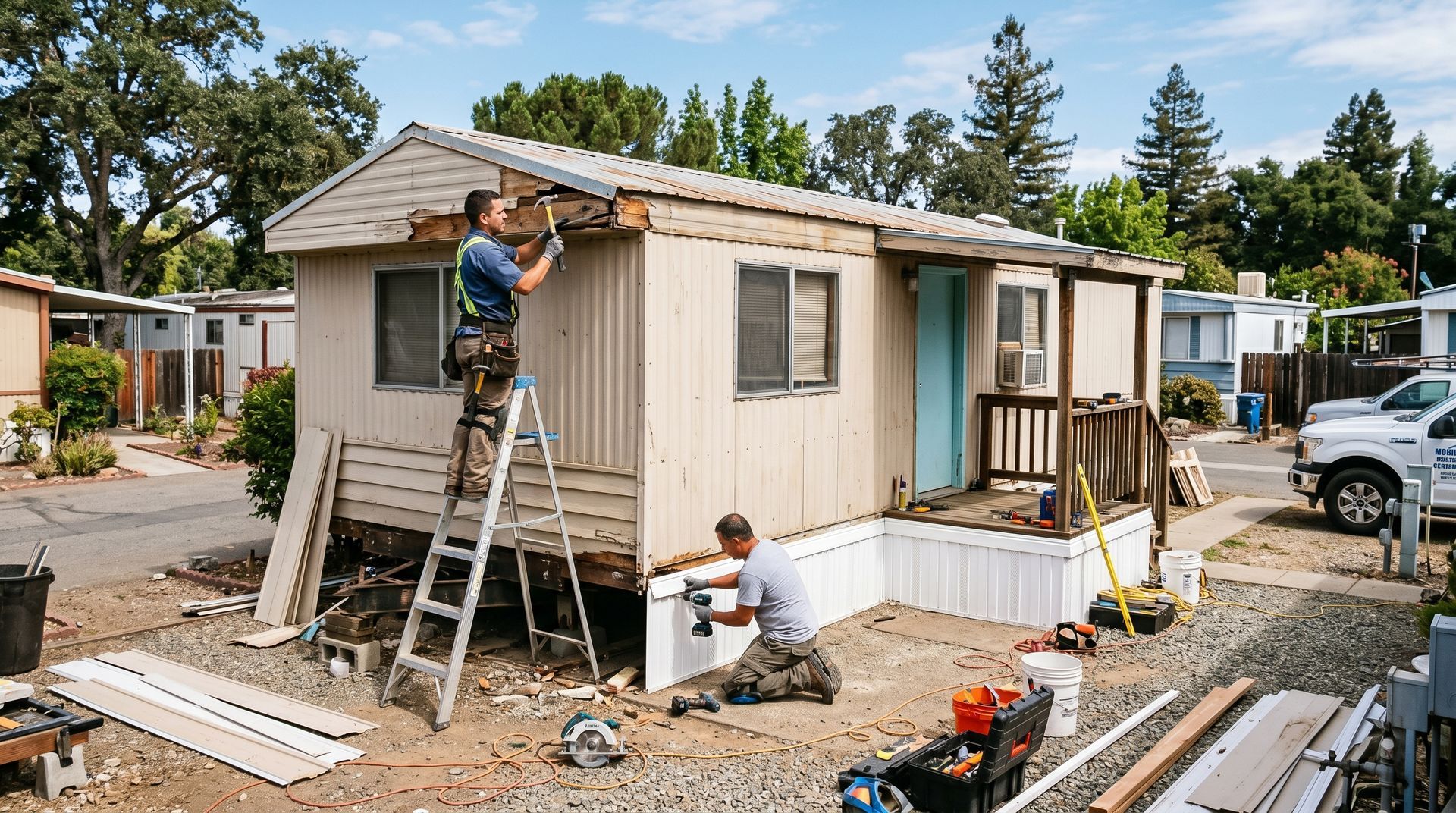
In many cases, they haven’t been updated in years and may need:
- Roof repairs
- Flooring replacement
- Plumbing fixes
- Electrical work
- HVAC repairs
- Cosmetic updates
This creates a major decision point:
Should you invest money into repairs—or sell as-is?
The answer depends on the home’s condition, market value, and your goals.
For many families, spending thousands on repairs for a property they don’t plan to keep doesn’t make financial sense.
Selling as-is often becomes the simpler and less stressful solution.
Emotional Challenges Can Complicate Decisions
Inherited property decisions are not always purely financial.
Family emotions often play a significant role.
Some relatives may feel attached to the property because of memories. Others may want a quick sale. Some may disagree about pricing, repairs, or whether to keep the home.
These emotional dynamics can delay decisions significantly.
Clear communication and practical financial thinking are often necessary to avoid prolonged stress.
What If Multiple Family Members Inherited the Home?
Multiple heirs create additional complexity.
If several people inherit the mobile home, important questions arise:
- Does everyone need to agree to sell?
- Who handles paperwork?
- How will proceeds be divided?
- What if someone refuses to cooperate?
The answers depend on ownership structure and local laws.
In many situations, agreement among heirs is necessary before the sale can proceed.
Disagreements can delay the process, increase costs, and create family tension.
Resolving ownership roles early helps prevent complications later.
Paperwork You May Need
Documentation requirements vary, but common paperwork may include:
- Mobile home title
- Death certificate
- Probate documents
- Letters testamentary or legal authority paperwork
- Identification for sellers
- Tax records
- Community or park paperwork
- Lien release documents (if applicable)
Missing paperwork is one of the most common causes of delays.
Gathering documentation early makes the selling process much smoother.
What If the Title Is Missing?
Lost or missing titles are very common with inherited mobile homes.
This can feel overwhelming—but it doesn’t automatically prevent a sale.
In many cases, replacement titles can be requested through the appropriate state agency.
The process may require:
- Proof of ownership
- Probate documentation
- Identification
- Fees
- Application forms
Because title requirements vary by state, timelines can differ.
Still, this issue is usually solvable.
Park Rules Can Affect the Sale
If the mobile home sits in a park or community, additional rules may apply.
Potential considerations include:
- Buyer approval requirements
- Age restrictions
- Background checks
- Income verification
- Community transfer fees
- Park ownership rules
Some buyers may hesitate if approval requirements feel uncertain.
Understanding park policies early helps avoid surprises later.
Selling an Inherited Mobile Home As-Is
Many families choose to sell inherited mobile homes as-is.
This means:
- No repairs
- No upgrades
- No staging
- No renovation costs
Selling as-is can be especially appealing when:
- The property needs work
- The family lives far away
- Time matters
- Expenses are increasing
- No one wants long-term ownership
This approach often reduces stress and simplifies decision-making.
Traditional Sale vs Cash Sale
Families typically consider two broad selling paths.
Traditional Sale
Potential advantages:
- Possible higher sale price
- Wider public market exposure
Challenges:
- Repairs may be needed
- Longer timelines
- Buyer financing uncertainty
- More showings and coordination
Cash Sale
Potential advantages:
- Faster process
- No repairs required
- Simpler transaction
- Fewer delays
Challenges:
- Final price may differ from retail listing expectations
For many inherited property situations, convenience and speed outweigh pursuing maximum theoretical price.
Why Speed Often Matters
Inherited properties become more expensive the longer they sit.
Monthly costs continue while uncertainty remains.
Delays can also increase:
- Repair deterioration
- Vacancy risks
- Family stress
- Paperwork complications
If the goal is simplicity, moving efficiently often makes financial sense.
Common Mistakes Families Make
Several avoidable mistakes create unnecessary complications.
These include:
- Delaying ownership verification
- Ignoring ongoing expenses
- Spending heavily on unnecessary repairs
- Failing to communicate clearly among heirs
- Misunderstanding park rules
- Assuming a missing title makes selling impossible
- Waiting too long out of indecision
Recognizing these mistakes early helps protect time and money.
How the Cash Selling Process Works
For families wanting a simple solution, cash sales often follow a straightforward process.
Step 1: Provide property details
Basic information about the mobile home is shared.
Step 2: Property review
Condition, location, and ownership details are evaluated.
Step 3: Receive an offer
A no-obligation cash offer is presented.
Step 4: Complete paperwork
Once terms are accepted, required documentation is finalized.
Step 5: Close the sale
Closing can often happen much faster than traditional sales.
This simplicity is one reason many inherited property sellers choose this route.
Signs Selling May Be the Best Option
Selling may make sense if:
- No family member wants the property
- Repairs are expensive
- Monthly costs are adding up
- The home sits vacant
- Family members want a practical solution
- Managing the property feels stressful
- You live far away
These situations often make selling the most realistic choice.
Final Thoughts
Inheriting a mobile home can create emotional and financial challenges—but it does not have to become overwhelming.
The key is understanding ownership, paperwork, costs, and your practical options.
For some families, keeping the property makes sense.
For many others, selling provides the simplest and most financially responsible path forward.
Whether the home needs repairs, sits vacant, or simply creates stress, knowing your options helps you make confident decisions.
The goal is not just completing a sale—it’s finding the solution that makes life easier for everyone involved.
📞 Ready to Sell an Inherited Mobile Home?
Skip the repairs, paperwork stress, and ongoing monthly costs.
👉 Get a free, no-obligation cash offer today
📩 Contact Cash4MobileHomes now
📍 Georgia Location
📞 770-744-3075
🌐 Cash4MobileHomesGA.com
📧
info@cash4mobilehomesga.com
📍 Alabama Location
📞 334-324-1139
🌐 Cash4MobileHomesAL.com
📧
info@cash4mobilehomesal.com